
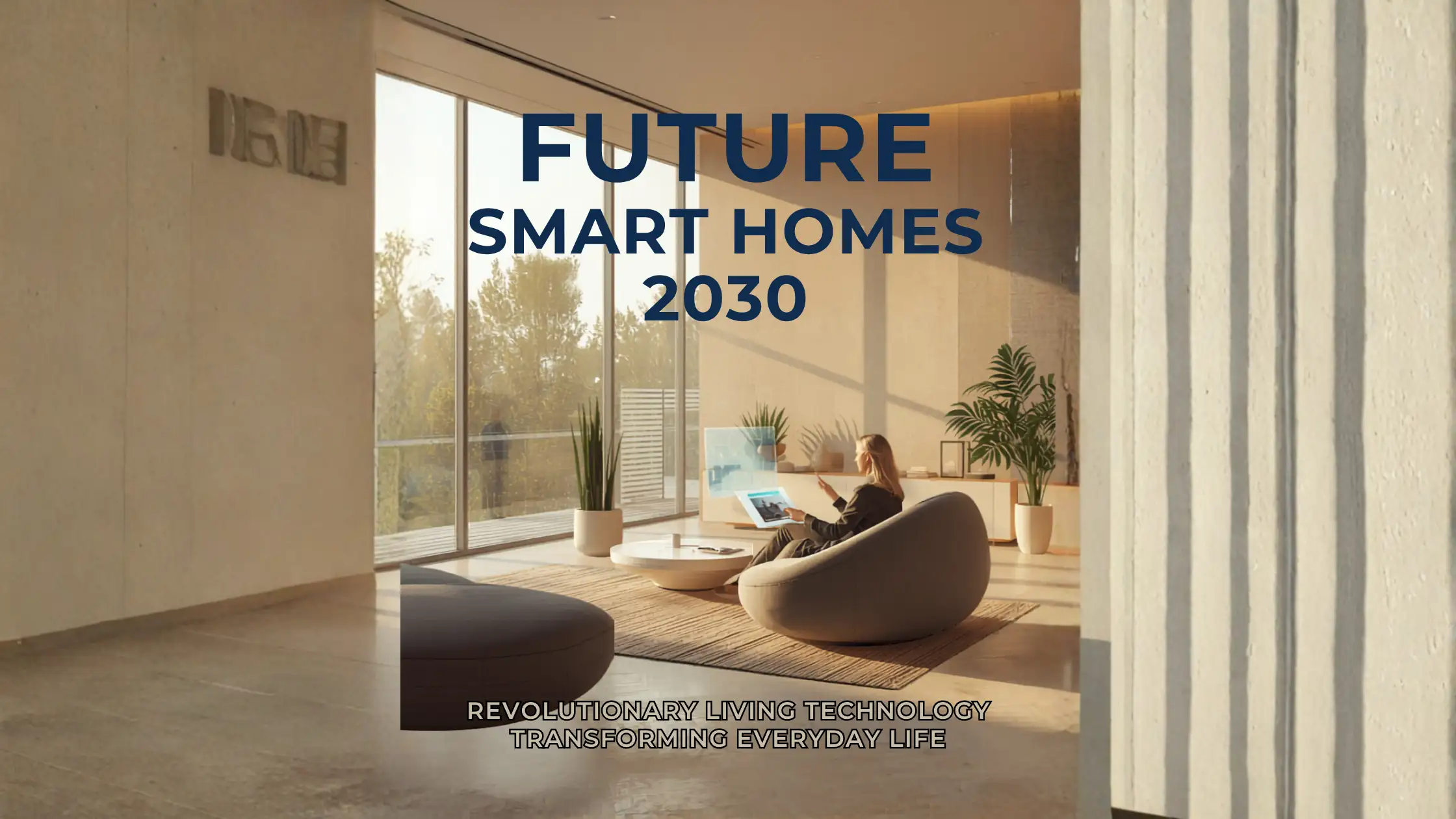
The Evolution of Smart Home Technology
From Basic Automation to Intelligent Homes

Smart homes have evolved far beyond simple timers and remote-controlled lighting. A few decades ago, home automation mostly meant programmable thermostats, garage door remotes, or motion-sensitive outdoor lights. Today, the world of future smart homes is becoming dramatically more intelligent, connected, and personalized. Homes are no longer passive living spaces—they are transforming into responsive digital environments capable of learning habits, improving comfort, increasing security, and automating daily routines.
One of the biggest changes in future smart homes is the shift from isolated devices to connected ecosystems. Earlier smart devices often worked independently and required manual control through separate remotes or apps. Modern systems now communicate with each other through centralized platforms powered by artificial intelligence and cloud connectivity. Smart lighting can interact with security systems, climate controls can respond to occupancy sensors, and voice assistants can manage multiple devices simultaneously.
Artificial intelligence is also redefining how automation works inside future smart homes. Instead of waiting for direct commands, modern systems are beginning to predict behavior and adapt automatically. Homes may recognize sleeping patterns, preferred lighting levels, entertainment habits, work schedules, and even energy usage trends.
The growth of wearable devices, mobile apps, high-speed internet, and wireless communication standards has accelerated this transformation. Consumers now expect convenience, energy efficiency, security, and personalized experiences from connected technology.
As automation becomes more advanced, future smart homes are evolving from collections of gadgets into intelligent ecosystems designed to support modern lifestyles in real time.
Why Smart Homes Are Growing So Fast

The rapid rise of future smart homes is being driven by a combination of technological innovation, changing consumer expectations, and growing demand for convenience and efficiency. What once felt futuristic is quickly becoming mainstream because smart home systems now solve real everyday problems instead of acting as simple tech novelties.
Convenience is one of the biggest reasons future smart homes are growing so quickly. People want homes that simplify routines, automate repetitive tasks, and reduce daily stress. Smart lighting, automated climate control, voice assistants, and connected appliances help users save time while making daily life feel more seamless.
Security is another major factor. Many homeowners are investing in AI-powered cameras, smart locks, motion sensors, and remote monitoring systems to improve safety and gain greater peace of mind. Future smart home security systems are becoming more intelligent by recognizing familiar faces, identifying unusual activity, and sending real-time alerts.
Energy efficiency is also accelerating adoption. Intelligent thermostats, automated lighting, energy monitoring tools, and solar integration systems help reduce waste and lower utility costs. Sustainability is becoming increasingly important, and future smart homes are expected to play a major role in energy conservation.
Artificial intelligence and cloud connectivity are making smart systems more adaptive as well. Homes can now learn routines, personalize automation, and improve performance over time.
Falling device costs, better compatibility standards, and faster wireless networks are making connected living more accessible than ever before. As technology becomes easier to install and manage, future smart homes are expected to become a standard part of modern living rather than a luxury feature.
AI and Automation in Future Smart Homes
AI-Powered Home Assistants

Artificial intelligence is becoming the central control system of future smart homes, and AI-powered home assistants are evolving far beyond simple voice commands and basic automation. Modern assistants can already control lighting, climate systems, entertainment devices, security cameras, and connected appliances, but future systems are expected to become much more intelligent, predictive, and personalized.
One of the biggest advantages of AI assistants in future smart homes is convenience. Homeowners can manage multiple devices through voice commands, mobile apps, or automated routines without manually adjusting each system individually. This creates a more seamless and efficient connected living experience.
Artificial intelligence makes these assistants even smarter over time. Many systems used in future smart homes can learn daily routines, recognize user preferences, analyze household behavior, and automate repetitive tasks automatically. For example, AI assistants may adjust lighting based on time of day, prepare entertainment settings before movie nights, or optimize climate control according to occupancy patterns.
Communication and coordination are also improving. AI-powered assistants in future smart homes may synchronize appliances, security systems, wellness devices, and entertainment platforms through a single centralized ecosystem.
Natural language understanding is becoming more advanced as well, allowing assistants to interpret conversational speech more accurately and respond in more human-like ways.
As smart home ecosystems continue evolving, AI-powered assistants are becoming one of the most essential features of future smart homes, helping create living spaces that are more responsive, personalized, and intelligent for everyday life.
Predictive Home Automation

Automation is becoming far more intelligent in future smart homes, and predictive systems are changing how connected living environments respond to everyday routines. Instead of waiting for manual commands, predictive automation allows smart homes to anticipate needs and adjust settings automatically based on behavior, schedules, occupancy, and environmental conditions.
One of the biggest advantages of predictive systems in future smart homes is convenience. Smart lighting may turn on before users enter a room, climate controls can adjust temperatures based on weather forecasts, and entertainment systems may prepare personalized content according to daily habits. This creates smoother and more efficient living experiences without constant manual input.
Artificial intelligence is the core technology behind predictive automation in future smart homes. AI systems can analyze long-term behavioral patterns, recognize routines, and continuously improve automation accuracy over time. The more the system learns, the more personalized and responsive the home becomes.
Energy efficiency is another major benefit. Predictive automation in future smart homes can reduce unnecessary energy usage by adjusting lighting, heating, cooling, and appliances only when needed. This helps lower utility costs while supporting sustainability goals.
Security systems may also become more proactive. Smart homes can recognize unusual activity, activate alerts automatically, and respond to changing conditions in real time.
As artificial intelligence continues advancing, predictive automation is becoming one of the defining features of future smart homes, creating living environments that feel smarter, more adaptive, and highly personalized for everyday life.
Voice and Gesture Control Systems

Hands-free interaction is becoming a major feature of future smart homes, and voice plus gesture control systems are making connected living more natural and intuitive. Instead of relying only on switches, remotes, or smartphone apps, homeowners can now control devices through spoken commands, simple hand movements, and motion recognition technology.
One of the biggest advantages of these systems in future smart homes is convenience. Users can adjust lighting, control entertainment systems, manage climate settings, lock doors, or activate smart appliances without touching physical controls. This creates a smoother experience for multitasking, accessibility, and everyday home automation.
Artificial intelligence makes voice and gesture systems in future smart homes even more intelligent by recognizing speech patterns, learning preferences, and understanding contextual commands over time. AI-driven systems may eventually respond differently depending on routines, user identity, location, or household activity.
Gesture recognition adds another layer of interaction. Smart displays, cameras, and connected sensors may allow users to control media playback, answer calls, adjust volume, or navigate menus using simple hand movements.
Accessibility is another major benefit. Voice and gesture controls in future smart homes can make technology easier to use for seniors, children, and individuals with mobility limitations.
As smart home ecosystems continue evolving, voice and gesture systems are becoming essential parts of future smart homes, creating faster, more personalized, and highly interactive living experiences.
Future Smart Home Security
AI Security Cameras and Sensors

Home protection is becoming far more intelligent in future smart homes, and AI-powered security cameras and sensors are playing a major role in that transformation. Instead of simply recording footage or triggering basic motion alerts, modern security systems are beginning to analyze activity, recognize patterns, and respond more accurately to potential threats.
One of the biggest advantages of these systems in future smart homes is intelligent detection. AI-powered cameras can distinguish between people, pets, vehicles, packages, and environmental movement, helping reduce unnecessary notifications caused by harmless activity. This makes security monitoring more reliable and less frustrating for homeowners.
Artificial intelligence also allows cameras and sensors in future smart homes to learn familiar faces, household routines, and normal movement patterns over time. If unusual behavior is detected, homeowners can receive real-time alerts through smartphones or connected devices.
Remote monitoring is another important feature. Most systems used in future smart homes allow users to access live video feeds, review recordings, communicate through two-way audio, and monitor property activity from anywhere.
Integration with smart locks, lighting systems, alarms, and voice assistants further strengthens connected security automation. Cameras may activate lighting automatically, lock doors during suspicious activity, or trigger emergency responses when necessary.
As home security technology continues evolving, AI cameras and sensors are becoming essential components of future smart homes, providing greater awareness, smarter protection, and improved peace of mind for connected living.
Smart Locks and Biometric Access

Home security is evolving rapidly in future smart homes, and smart locks combined with biometric access systems are becoming one of the most secure and convenient ways to protect connected living spaces. Traditional keys are gradually being replaced by intelligent entry systems that use advanced authentication technology for faster and safer access control.
One of the biggest advantages of these systems in future smart homes is convenience. Homeowners can unlock doors using fingerprints, facial recognition, voice authentication, mobile apps, or wearable devices without carrying physical keys. This makes daily access easier while reducing the risk of lost or copied keys.
Artificial intelligence adds another layer of intelligence to security systems in future smart homes. Smart locks can recognize household routines, monitor unusual access attempts, and send real-time alerts if suspicious activity is detected. Some systems may also create temporary digital access codes for guests, deliveries, or service providers.
Remote management is another major benefit. Many smart lock systems in future smart homes allow users to lock or unlock doors from anywhere using smartphones or connected devices. Homeowners can also monitor entry history and receive instant notifications whenever doors are opened.
Integration with cameras, lighting, alarms, and voice assistants further strengthens home automation and security.
As connected living continues advancing, smart locks and biometric access systems are becoming essential features of future smart homes, offering stronger protection, improved convenience, and more intelligent access control for modern households.
Autonomous Emergency Response Systems

Safety technology is becoming increasingly advanced in future smart homes, and autonomous emergency response systems may completely transform how homes react during dangerous situations. Instead of relying only on manual alarms or delayed responses, intelligent systems are beginning to detect emergencies automatically and respond in real time to protect homeowners and property.
One of the biggest advantages of these systems in future smart homes is rapid detection. Connected smoke sensors, leak detectors, motion sensors, biometric devices, and AI-powered cameras can identify fire risks, gas leaks, water damage, intrusions, or medical emergencies within seconds. This allows homes to react faster before situations become more severe.
Artificial intelligence makes emergency systems in future smart homes even more effective by reducing false alarms and recognizing unusual activity patterns. AI can analyze environmental conditions, occupant behavior, and sensor data to determine whether immediate action is necessary.
Automation is another major benefit. During emergencies, future smart homes may automatically unlock doors for emergency responders, shut off water valves, activate ventilation systems, trigger alarms, or contact emergency services without requiring human intervention.
Remote alerts also improve awareness. Homeowners can receive real-time notifications, live camera feeds, and emergency updates directly through smartphones or connected devices.
As smart home safety systems continue evolving, autonomous emergency response technology may become one of the most important features of future smart homes, offering faster reactions, improved protection, and greater peace of mind for everyday living.
Energy and Sustainability in Future Smart Homes
Smart Energy Management

Energy efficiency is becoming one of the most important goals of future smart homes, and intelligent energy management systems are expected to play a major role in reducing waste while improving comfort and convenience. Instead of relying on manual adjustments or static schedules, smart homes are beginning to use artificial intelligence, sensors, and connected devices to optimize energy usage automatically throughout the day.
One of the biggest advantages of energy automation in future smart homes is real-time optimization. Smart systems may monitor occupancy, weather conditions, electricity pricing, appliance usage, and room activity to adjust lighting, heating, cooling, and power consumption dynamically. This helps reduce unnecessary energy waste without sacrificing comfort.
Artificial intelligence is making these systems even smarter. AI-driven platforms in future smart homes can learn daily habits, identify energy patterns, and recommend efficiency improvements over time. Homes may eventually predict energy demand and automatically shift usage to lower-cost periods.
Remote monitoring also adds convenience. Mobile apps and voice assistants allow homeowners to control connected systems from anywhere while receiving detailed energy reports and usage alerts.
As sustainability becomes increasingly important, intelligent energy management may become one of the most valuable features in connected living.
Solar Integration and Energy Storage

Renewable energy is expected to become deeply integrated into future smart homes, with solar technology and advanced energy storage systems playing a central role in sustainable living. Instead of depending entirely on traditional power grids, future homes may generate, store, and manage their own electricity more efficiently.
One of the biggest advantages of solar integration in future smart homes is energy independence. Smart solar systems may automatically track sunlight exposure, optimize panel performance, and store excess electricity in home battery systems for later use.
Artificial intelligence may help balance energy production and consumption by predicting household demand, weather conditions, and peak electricity costs.
Energy storage technology is also improving rapidly. Modern battery systems are becoming safer, more efficient, and capable of powering homes for extended periods during outages or high-demand situations.
Connected energy systems in future smart homes may also integrate with electric vehicles, smart appliances, and local energy grids for better efficiency and sustainability.
As renewable energy technology becomes more affordable and accessible, smart homes may become far more self-sufficient and environmentally responsible.
Intelligent Climate Control

Climate management is becoming increasingly advanced in future smart homes, transforming heating and cooling systems into intelligent environments that adapt automatically to personal preferences and environmental conditions.
One of the biggest advantages of intelligent climate systems is personalized comfort. Smart thermostats, occupancy sensors, weather tracking, and AI-driven automation can adjust temperatures dynamically based on routines, room usage, humidity levels, and seasonal changes.
Artificial intelligence allows future smart homes to learn behavioral patterns over time. Instead of relying only on schedules, homes may predict when rooms will be occupied and optimize airflow, heating, or cooling before users even enter the space.
Energy efficiency is another major benefit. Intelligent climate systems can reduce waste by adjusting temperatures in unused rooms, responding to outdoor weather conditions, and optimizing power usage throughout the day.
Voice assistants, mobile apps, and automation platforms also provide convenient remote control.
As climate systems become more responsive and sustainable, smart homes may deliver healthier, more comfortable, and more efficient living environments.
Smart Entertainment and Connected Living
Immersive Home Entertainment

Entertainment experiences are becoming more advanced in future smart homes, transforming living rooms and media spaces into highly interactive digital environments. Instead of relying only on traditional televisions and speakers, modern smart homes are beginning to combine artificial intelligence, spatial audio, augmented reality, adaptive lighting, and connected displays to create more immersive experiences.
One of the biggest advantages of immersive systems in future smart homes is personalization. AI-powered entertainment platforms can learn viewing habits, recommend content, adjust sound settings, and optimize display preferences automatically based on user behavior. This creates a more customized and engaging entertainment experience for every member of the household.
Spatial audio and intelligent speaker systems are also reshaping entertainment in future smart homes. Advanced sound technology can create realistic directional audio that enhances movies, gaming, music, and virtual experiences throughout the home.
Augmented reality and interactive displays may become increasingly important as well. Future entertainment systems could overlay digital content into physical spaces, creating immersive gaming environments, virtual events, or interactive educational experiences directly inside the home.
Smart lighting integration adds another layer of immersion. Connected lighting systems in future smart homes may automatically respond to movies, games, or music by adjusting colors, brightness, and room atmosphere in real time.
As processing power and connectivity continue improving, immersive entertainment is becoming one of the most exciting features of future smart homes, blending technology, comfort, and personalized experiences into everyday living.
Multi-Room Audio and Smart Displays

Entertainment and communication systems are becoming more connected in future smart homes, and multi-room audio combined with smart displays is transforming how people interact with digital content throughout the house. Instead of relying on isolated speakers or televisions, homeowners can now create synchronized experiences across multiple rooms using intelligent connected systems.
One of the biggest advantages of these features in future smart homes is seamless entertainment. Multi-room audio systems allow music, podcasts, and media to play consistently throughout the home or separately in different spaces based on user preferences. Family members can control playback using smartphones, voice assistants, or centralized smart home platforms.
Smart displays add another layer of functionality to future smart homes. These interactive screens can provide calendars, weather updates, video calls, recipes, security camera feeds, reminders, and smart home controls from a single interface. In kitchens, offices, bedrooms, or living rooms, smart displays help organize daily routines while improving communication and convenience.
Artificial intelligence also enhances personalization. Many systems used in future smart homes can recognize user behavior, recommend entertainment content, adjust audio settings automatically, and coordinate with lighting or climate systems for more immersive experiences.
Remote access and cloud connectivity make it easier to manage entertainment and communication from anywhere in the home.
As connected living continues evolving, multi-room audio and smart displays are becoming essential features of future smart homes, creating more interactive, personalized, and engaging household environments.
Connected Smart Appliances

Household appliances are becoming far more intelligent, and future smart homes are transforming everyday chores through automation, connectivity, and artificial intelligence. Instead of operating as standalone machines, modern appliances are increasingly designed to communicate with other connected devices, respond to user behavior, and improve efficiency automatically.
One of the biggest advantages of connected appliances in future smart homes is convenience. Smart refrigerators may track food inventory, suggest grocery lists, and notify users about expiration dates. Intelligent ovens can recommend cooking settings, while robotic vacuums may clean automatically based on household activity and schedules.
Artificial intelligence makes these appliances even more adaptive. Many systems used in future smart homes can learn usage patterns, optimize energy consumption, and automate repetitive tasks with minimal user input. Washing machines may adjust water usage based on load size, and dishwashers could schedule cycles during lower energy-cost periods.
Remote access is another major benefit. Most appliances in future smart homes can be monitored and controlled through smartphones, voice assistants, or centralized automation platforms. Users may start laundry remotely, preheat ovens before arriving home, or receive maintenance alerts instantly.
Energy efficiency also plays an important role. Connected appliances are designed to reduce waste while improving overall household performance.
As automation continues advancing, smart appliances are becoming a core part of future smart homes, helping create living environments that are more efficient, responsive, and convenient for everyday life.
Health and Wellness Technology in Smart Homes
Health Monitoring Systems

Health-focused technology is becoming one of the most valuable features in future smart homes, transforming connected living spaces into environments that actively support wellness and preventive care. Instead of relying only on wearable devices or occasional medical checkups, smart homes are beginning to integrate health monitoring directly into everyday routines.
One of the biggest advantages of health systems in future smart homes is continuous awareness. Connected sensors, wearable integration, smart beds, and biometric devices can monitor sleep quality, movement patterns, heart rate, stress levels, breathing activity, and environmental conditions throughout the day and night. This allows homeowners to gain deeper insights into personal wellness without constant manual tracking.
Artificial intelligence makes these systems even more useful. Many technologies used in future smart homes can analyze long-term behavioral trends, recognize unusual activity, and provide personalized wellness recommendations based on user habits and health data.
Safety is another important benefit. Some health monitoring tools in future smart homes may detect falls, medical emergencies, or abnormal activity patterns while automatically sending alerts to family members or emergency services.
Integration with smart lighting, climate systems, and wellness devices can also help create healthier environments that support better sleep, reduced stress, and improved comfort.
As healthcare technology continues advancing, health monitoring systems are becoming an increasingly important part of future smart homes, helping users maintain healthier lifestyles while improving safety and long-term well-being.
Smart Air Quality and Wellness Devices

Indoor wellness is becoming a major focus in future smart homes, and intelligent air quality systems are helping create healthier and more comfortable living environments. Modern homes now include connected purifiers, humidity controls, temperature sensors, and wellness devices that continuously monitor indoor conditions in real time.
One of the biggest advantages of these systems in future smart homes is automatic environmental management. Smart air quality devices can detect dust, allergens, smoke, humidity changes, carbon dioxide levels, and airborne pollutants while adjusting settings automatically to improve indoor comfort.
Artificial intelligence makes these wellness systems even smarter. Many devices used in future smart homes can analyze long-term air quality trends, recognize environmental patterns, and recommend improvements based on user habits and seasonal conditions. Some systems may even coordinate with climate controls, smart windows, or ventilation systems for better efficiency.
Health and sleep quality can also improve through better indoor environments. Smart purifiers and wellness devices in future smart homes may help reduce allergies, improve breathing conditions, maintain healthy humidity levels, and create more relaxing spaces for rest and recovery.
Remote monitoring is another useful feature. Most systems can send mobile alerts, provide real-time air reports, and allow users to control settings through apps or voice assistants.
As health awareness continues growing, wellness-focused technology is becoming an essential part of future smart homes, helping support cleaner air, greater comfort, and healthier everyday living.
How to Build a Future-Ready Smart Home

Creating one of the best future smart homes starts with planning, compatibility, and long-term flexibility. Many people make the mistake of buying random devices without thinking about how everything will work together later. A successful approach to building future smart homes focuses on creating a connected ecosystem that can grow over time while remaining reliable, secure, and easy to manage.
The first step in building future smart homes is choosing a central platform such as Amazon Alexa, Google Home, or Apple Home. Selecting one ecosystem early helps ensure that smart speakers, lighting, security systems, appliances, sensors, and automation tools communicate smoothly with each other. Compatibility becomes extremely important as future smart homes continue expanding with more advanced automation.
Reliable internet connectivity is another essential part of future smart homes. Strong Wi-Fi coverage supports cameras, voice assistants, entertainment systems, climate controls, and connected appliances throughout the home. Many larger homes benefit from mesh Wi-Fi systems that improve coverage and reduce connectivity problems.
Security should always be a priority when building future smart homes. Use strong passwords, enable two-factor authentication, update device firmware regularly, and choose trusted brands with strong privacy protections. Connected homes manage a large amount of personal data, making cybersecurity increasingly important.
Start with practical upgrades instead of trying to automate everything at once. Smart lighting, climate control, smart speakers, and home security devices are often the easiest entry points into future smart homes. Once those systems are working smoothly, you can gradually expand into predictive automation, energy management, smart appliances, and advanced AI integration.
Finally, focus on flexibility. The best future smart homes are designed to adapt as technology evolves. Choosing devices with long-term software support, cloud integration, and compatibility with future standards will help your smart home remain useful and modern for years to come.
Conclusion
The rise of future smart homes is transforming everyday living through artificial intelligence, automation, sustainability, security, and connected convenience. Homes are becoming more responsive, efficient, personalized, and capable of supporting modern lifestyles in ways that once seemed futuristic.
As technology continues advancing, smart homes may become the intelligent foundation of daily life for millions of people around the world.

Comments
2 responses to “Future Smart Homes 2030: Revolutionary Tech Transforming Everyday Life”
[…] smartphone technology is evolving rapidly is consumer demand for convenience and integration. People want devices that connect effortlessly with smart homes, wearable technology, cloud services, vehicles, and productivity tools. Smartphones are […]
[…] Many devices also connect with nutrition apps, coaching platforms, healthcare systems, and smart home devices for a more connected wellness experience. […]