
Why Smart Security Is Becoming Essential
The Evolution of Home Security Technology

Home security has changed dramatically over the past decade. What once relied on basic locks, wired alarms, and grainy surveillance systems has evolved into intelligent protection powered by automation, mobile connectivity, and real-time monitoring. That’s exactly why smart security devices are becoming a standard part of modern homes.
Traditional security systems often required professional installation, expensive contracts, and limited remote access. If an alarm went off while you were away, you might not know until hours later. Today, smart security devices solve that problem by delivering instant alerts directly to your smartphone, no matter where you are.
Wireless technology has played a major role in this transformation. Faster Wi-Fi, improved mobile apps, and cloud-based services have made smart security devices easier to install and more reliable than ever. Homeowners can now monitor cameras, lock doors, or check activity in real time with just a few taps.
Artificial intelligence has also changed what security means. Modern systems can distinguish between people, pets, vehicles, and packages. This reduces false alerts and gives users more accurate information.
Consumer priorities have shifted as well. People now want protection that is not only effective but also convenient, flexible, and scalable. Whether you live in an apartment, family home, or vacation property, smart security devices make it easier to protect what matters.
Security is no longer just about reacting to threats—it’s about staying aware before problems happen.
Benefits of Smart Security for Modern Homes

The biggest advantage of smart security devices is control. Instead of relying on traditional systems with limited access, homeowners can now monitor, manage, and respond to activity in real time.
One of the most valuable benefits is remote monitoring. With smart security devices, you can check cameras, receive alerts, and control entry points from anywhere in the world. Whether you’re at work, traveling, or simply upstairs, your home stays connected.
Instant notifications add another layer of protection. If motion is detected, a door opens unexpectedly, or smoke is sensed, smart security devices can alert you immediately. That kind of real-time awareness can make a major difference in emergencies.
Convenience also matters. Smart locks eliminate physical keys, video doorbells let you speak to visitors remotely, and automation allows systems to arm or disarm based on your routine.
Integration is another major benefit. Many smart security devices work with lighting, speakers, sensors, and voice assistants, creating a fully connected security ecosystem.
Insurance providers in some regions even offer discounts for monitored security systems, adding financial value.
When you combine convenience, awareness, and automation, it’s easy to see why smart security devices are becoming essential for modern living.
Essential Smart Security Devices
Smart Security Cameras

When it comes to protecting your home, cameras remain some of the most trusted smart security devices available today. They provide real-time visibility, recorded footage, and instant alerts, helping homeowners stay connected to their property no matter where they are. For many people, smart security devices like cameras are the foundation of a complete home security setup.
One of the biggest advantages of these smart security devices is live monitoring. Using a mobile app, you can view your home in real time from anywhere with an internet connection. Whether you’re at work, on vacation, or simply in another room, these smart security devices keep you informed.
Video quality has improved significantly. Many modern smart security devices now offer HD or 4K recording, night vision, wide viewing angles, and two-way audio. These features make it easier to identify visitors, monitor deliveries, or review unusual activity.
Motion detection adds another layer of protection. Many smart security devices can instantly send alerts when movement is detected, allowing you to respond quickly when something unexpected happens.
Integration is another major benefit. These smart security devices often work with smart locks, lights, alarms, and voice assistants to create a more connected security system.
If you want stronger visibility, faster alerts, and better peace of mind, cameras remain some of the most essential smart security devices for any modern home.
Video Doorbells

Front door security has become much smarter, and video doorbells are now one of the most practical upgrades for modern homes. These devices allow you to see, hear, and communicate with visitors in real time, whether you’re inside the house, at work, or traveling.
One of the biggest benefits of a video doorbell is instant visibility. When someone approaches your door, rings the bell, or enters a motion detection zone, you receive an alert directly on your smartphone. This allows you to check who’s outside immediately instead of waiting to answer the door in person.
Two-way audio adds another layer of convenience. You can speak with delivery drivers, guests, neighbors, or service providers from anywhere, making it easy to manage packages, appointments, or unexpected visitors even when you’re away.
High-definition video and night vision help provide clear footage during both day and night. Many modern systems also include wide viewing angles, motion zones, and activity recording for better monitoring.
Some models can even detect packages, people, or vehicles, reducing unnecessary notifications and helping you focus on important activity.
When connected with other smart home products, video doorbells can trigger lights, start camera recordings, or activate security routines automatically.
For homeowners who want better awareness, convenience, and front-door protection, video doorbells are a smart and highly effective security upgrade.
Smart Locks

Door security has evolved far beyond traditional keys, and smart locks are now one of the most convenient upgrades for modern homes. These devices combine security, flexibility, and remote control, giving homeowners better access management without the hassle of carrying or hiding physical keys.
One of the biggest benefits of smart locks is keyless entry. Instead of using a standard key, you can unlock your door with a smartphone app, PIN code, fingerprint, access card, or even a voice command, depending on the model. This makes everyday access faster and more convenient for family members, guests, and trusted visitors.
Remote access is another major advantage. If someone needs to enter your home while you’re away—such as a family member, cleaner, delivery service, or pet sitter—you can grant temporary or scheduled access directly from your phone. There’s no need to leave spare keys under mats or in hidden spots.
Activity tracking adds another layer of awareness. Many systems keep a record of when doors are locked, unlocked, or accessed, helping you monitor entry activity throughout the day.
Smart locks also work well with other connected devices. They can automatically trigger lights, arm security systems, or activate home routines when you arrive or leave.
For homeowners who value convenience, control, and stronger access management, smart locks are a highly practical security upgrade.
Motion Sensors and Alarm Systems

Motion detection remains one of the most effective ways to strengthen home security. These systems are designed to detect movement in specific areas and respond immediately when unexpected activity occurs. Whether installed indoors or outdoors, motion sensors add an extra layer of awareness that helps protect your home around the clock.
One of the biggest advantages of motion sensors is early detection. If movement is detected near an entryway, hallway, garage, backyard, or other sensitive area, the system can instantly trigger an alert. This gives homeowners valuable time to check live camera feeds, review activity, or take action if needed.
Alarm systems make this protection even stronger. When suspicious movement is detected, alarms can activate sirens, flashing lights, mobile notifications, or connected cameras. This not only alerts you but can also discourage intruders before they move further onto your property.
Modern motion systems are much smarter than older models. Many now include adjustable sensitivity settings, activity zones, and filtering that helps reduce false alerts caused by pets, weather, or everyday movement.
These devices also work well with other smart home products. Motion can automatically trigger lights, start video recording, or activate security routines.
With proper placement and smart integration, motion sensors and alarm systems provide reliable, responsive protection for both small apartments and larger homes.
Advanced Smart Security Devices
Smart Floodlights and Outdoor Lighting

Outdoor lighting does much more than illuminate your property—it actively improves security. That’s why connected floodlights have become some of the most effective smart security devices for modern homes. They combine bright illumination, motion detection, app control, and automation to create a stronger first line of defense.
One of the biggest advantages of these smart security devices is motion-activated lighting. When movement is detected near your driveway, backyard, garage, or entryway, the lights automatically activate. This not only improves visibility but can also discourage unwanted visitors before they approach your home.
Many models also include built-in cameras and two-way audio, turning these smart security devices into multifunction security tools. Homeowners can see what’s happening, communicate remotely, and record activity in real time.
Weather resistance is another important feature. Outdoor smart security devices must perform reliably in rain, heat, cold, and dust.
For homeowners who want better visibility and stronger perimeter protection, smart floodlights are an excellent upgrade.
Window and Door Sensors

Doors and windows are among the most common entry points in any home, which makes sensors some of the most important smart security devices available today.
These small wireless sensors instantly detect when a window or door is opened, closed, or left unsecured. If unexpected activity occurs, smart security devices like these can send real-time alerts directly to your smartphone.
Another major benefit is automation. Many smart security devices in this category can trigger alarms, activate cameras, or turn on lights when an entry point is accessed unexpectedly.
Some systems also track activity history, allowing homeowners to review when doors or windows were opened throughout the day.
Easy installation makes these smart security devices especially popular for renters and homeowners who want extra protection without major modifications.
For affordable and reliable protection, door and window sensors are hard to ignore.
Smart Smoke and Carbon Monoxide Detectors

Security isn’t only about intruders—safety inside the home matters just as much. That’s why connected smoke and carbon monoxide detectors are essential smart security devices for modern households.
Unlike traditional alarms that only sound locally, these smart security devices send instant notifications to your phone when smoke, fire, or dangerous gas levels are detected.
This remote awareness is especially valuable when you’re away from home. Whether you’re at work or traveling, smart security devices like these help you respond faster to emergencies.
Voice alerts and room-specific notifications add another layer of protection. Instead of a generic alarm, many detectors identify exactly where the issue is occurring.
Battery monitoring, self-testing, and integration with other smart security devices make them even more reliable.
For families who value safety, these devices are a must-have.
Smart Security Features That Matter
Real-Time Alerts and Remote Monitoring

One of the most valuable features of modern home security is instant awareness. Instead of discovering problems after they happen, connected systems can notify you the moment unusual activity is detected. This real-time visibility gives homeowners greater control, faster response times, and more confidence whether they’re at home or away.
When motion is detected, a door opens unexpectedly, or a sensor is triggered, notifications can be sent directly to your smartphone, tablet, or smartwatch within seconds. This allows you to react immediately instead of waiting until you return home. In many situations, quick awareness can make a major difference.
Remote monitoring adds even more flexibility. Through a mobile app, you can view live camera feeds, check recorded footage, lock doors, arm alarms, or review recent activity from virtually anywhere with an internet connection. Whether you’re at work, on vacation, or simply upstairs, your home remains accessible.
This feature is especially useful for families, travelers, pet owners, and people who receive frequent deliveries. You can verify visitors, monitor children, or check on your property in real time without being physically present.
By combining instant notifications with mobile access, modern security systems create a more proactive and responsive approach to home protection, helping you stay informed no matter where life takes you.
AI Detection and Facial Recognition

Artificial intelligence has changed the way modern home security works. Instead of simply reacting to motion, many advanced systems can now understand what they’re seeing and respond more intelligently. This creates a more accurate, efficient, and useful security experience for homeowners.
Traditional motion detection often triggers alerts for everything—passing cars, moving shadows, pets, or blowing leaves. AI-powered systems solve this problem by analyzing activity in real time and identifying the difference between people, animals, vehicles, and other objects. This greatly reduces false notifications and helps you focus on events that actually matter.
Facial recognition takes this technology even further. Some advanced security cameras can recognize familiar faces such as family members, friends, or frequent visitors. Instead of receiving a generic motion alert, you may get a personalized notification showing exactly who has arrived.
This technology can also improve automation. For example, when a recognized family member approaches the front door, lights can turn on automatically, doors can unlock, or indoor systems can adjust based on personalized routines.
Privacy and security remain important when using AI features, so choosing trusted brands with strong encryption and regular software updates is essential.
When used responsibly, AI detection and facial recognition make home security smarter, more accurate, and far less disruptive in everyday life.
Cloud Storage and Local Recording

Recording and storing security footage is one of the most important parts of any modern security setup. Whether you’re monitoring your front door, backyard, or indoor spaces, having access to past recordings can make a huge difference when reviewing activity or responding to unexpected events. That’s why choosing the right storage option is an important decision.
Cloud storage is a popular choice because it offers remote access and automatic backups. Your recordings are securely stored online, allowing you to view footage from your smartphone, tablet, or computer no matter where you are. This can be especially useful if your device is damaged, stolen, or disconnected. Many cloud services also offer advanced features like event filtering, activity timelines, and longer video history.
Local recording is another reliable option. Instead of storing footage online, videos are saved directly to memory cards, external drives, or dedicated base stations. This can reduce monthly subscription costs and give users more control over privacy and data ownership.
Some security systems even support both storage methods, giving you flexibility and extra protection.
When choosing between cloud and local storage, consider your budget, internet reliability, privacy preferences, and how often you plan to review footage. The best option is the one that fits your daily needs while keeping important recordings accessible when they matter most.
Voice Assistant and Smart Home Integration

One of the biggest advantages of modern security technology is how easily it connects with the rest of your smart home. Instead of managing every device separately, integration allows your security system to work as part of a larger connected environment. This creates a smoother, faster, and more convenient experience in everyday life.
Many security products now work with platforms like Amazon Alexa, Google Assistant, and Apple Home. This means you can use simple voice commands to check camera feeds, lock doors, arm systems, or control connected lighting without opening multiple apps. Hands-free control becomes especially useful when you’re busy, away from your phone, or managing several devices at once.
Automation adds even more value. Your system can trigger multiple actions based on specific events. For example, when motion is detected outside, your outdoor lights can automatically turn on, cameras can begin recording, and you can receive an instant notification. If you leave home, your doors can lock automatically while cameras and sensors activate.
Centralized control also makes monitoring easier. Instead of switching between separate apps, you can manage locks, sensors, cameras, and lighting from one dashboard.
When security works together with the rest of your smart home, protection becomes more responsive, convenient, and personalized to your daily routine.
Budget-Friendly Smart Security Options
Affordable Devices for Beginners

Starting with home security doesn’t need to be complicated or expensive. Many entry-level devices are designed specifically for first-time users, offering simple installation, easy mobile control, and practical features that provide immediate peace of mind. The goal is to begin with tools that solve everyday security concerns without overwhelming you with advanced settings.
A smart indoor camera is often one of the best first purchases. These cameras are easy to place on shelves, desks, or walls and usually offer live video, motion alerts, two-way audio, and night vision. They give you instant visibility inside your home and help you stay connected when you’re away.
Door and window sensors are another excellent starting point. These compact devices notify you when an entry point is opened unexpectedly, adding an extra layer of awareness with almost no setup effort. They’re ideal for apartments, bedrooms, offices, or small homes.
Video doorbells are also becoming more affordable and beginner-friendly. They allow you to see who’s at your door, communicate remotely, and monitor deliveries directly from your smartphone.
Motion sensors and simple alarm units can also provide valuable protection while remaining easy to use.
The best approach is to start with one or two essential devices, learn how they fit into your routine, and gradually expand your security setup as your needs grow.
Cheap but Reliable Security Tools
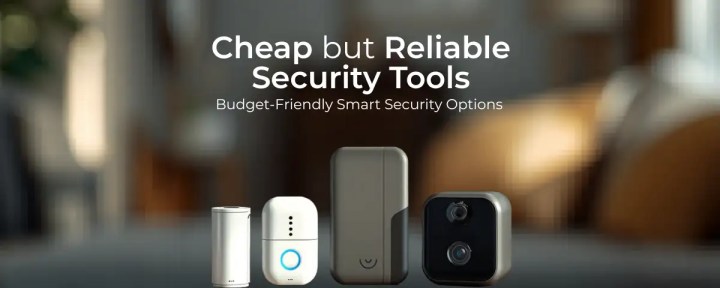
Protecting your home doesn’t always require expensive equipment or professional installation. Many affordable security tools now offer dependable performance, useful features, and easy setup, making them a smart choice for homeowners, renters, and anyone building a security system on a budget.
One of the most practical low-cost options is a wireless door or window sensor. These small devices instantly alert you when an entry point is opened unexpectedly, helping you stay aware of unusual activity. They are simple to install, require minimal maintenance, and work well in apartments, bedrooms, garages, or office spaces.
Motion detectors are another budget-friendly option that can make a big difference. When movement is detected, these sensors can trigger lights, alarms, or mobile notifications, adding an extra layer of protection without a major investment.
Indoor mini cameras have also become much more affordable. Many compact models now offer HD video, night vision, motion alerts, and mobile app access, giving you real-time visibility from anywhere.
Simple alarm systems, portable sirens, and battery-powered entry alarms can also strengthen your setup without increasing costs.
The key is focusing on devices that solve real security concerns instead of buying unnecessary features. By choosing practical and dependable tools, you can build an effective home security setup step by step while staying within budget.
How to Choose the Best Smart Security Devices

Choosing the right security system can feel overwhelming because there are so many products, features, and brands available today. The key is to focus on your home, your lifestyle, and the areas that need the most protection. The best smart security devices are not simply the most expensive ones—they’re the devices that solve real security concerns while fitting naturally into your daily routine.
Start by evaluating your property. Walk around your home and identify the most vulnerable areas. Front doors, back entrances, garages, windows, driveways, hallways, and outdoor spaces are usually the first places to secure. Once you understand where protection is needed, it becomes much easier to choose the right smart security devices for each location. For example, cameras and video doorbells work well at entry points, while motion sensors and window sensors provide extra indoor protection.
Next, think about your main security priorities. Some homeowners focus on preventing break-ins, while others care more about package deliveries, child safety, fire detection, or remote monitoring while traveling. Your priorities will help determine which smart security devices deserve the most attention. A family may prioritize smoke detectors and indoor cameras, while frequent travelers may focus on smart locks, outdoor cameras, and mobile alerts.
Compatibility is another major factor. Before buying any smart security devices, make sure they work with your preferred smart home ecosystem, whether that’s Amazon Alexa, Google Home, or Apple Home. Choosing compatible devices allows you to create automation routines, voice commands, and centralized control without managing multiple apps.
Storage options also matter. Some smart security devices rely on cloud subscriptions, while others offer local recording through memory cards or base stations. Cloud storage offers remote access and backup protection, while local storage may reduce long-term costs. Decide which option fits your budget and privacy preferences.
Mobile app quality should never be overlooked. The best smart security devices should provide a stable, easy-to-use app with real-time notifications, live streaming, playback controls, and simple device management. Reading real user reviews can help you avoid unreliable apps or devices with poor software support.
Power source is another important consideration. Some smart security devices use rechargeable batteries, while others require wired installation. Battery-powered models are often easier to install, while wired systems may provide continuous performance without charging interruptions.
Finally, don’t feel pressured to secure everything at once. Start with a few essential smart security devices, such as a camera, doorbell, or motion sensor, and expand your system gradually as your needs grow. By focusing on your home layout, compatibility, reliability, storage, and long-term convenience, you can build a smart security setup that delivers real peace of mind and dependable protection for years to come.
Conclusion
Home protection has become smarter, faster, and more accessible than ever. With the right smart security devices, homeowners can monitor activity, control access, and respond to threats in real time.
From cameras and locks to sensors and detectors, these tools bring peace of mind through automation and awareness.
Start with your priorities, choose reliable products, and let smart security devices protect what matters most.

Comments
2 responses to “Smart Security Devices: Protect Your Home in 2026”
[…] Another reason connected homes have evolved so quickly is the growth of wireless technology. Faster Wi-Fi, improved Bluetooth standards, and better cloud integration have made real-time automation much more reliable. This means your smart lights can respond instantly, your thermostat can learn your schedule, and your security system can notify you wherever you are. […]
[…] in smart home technology for beginners. These devices are designed to simplify everyday tasks, improve home security, and enhance overall comfort without requiring complex setups. Whether you’re new to tech or just looking to upgrade your lifestyle, beginner-friendly gadgets […]